

Dance offers a way of thinking through the body—through repetition, timing, resistance, and interaction. At Black Mountain College, performance functioned as a method for exploring how ideas unfold through movement, material, and collaboration across disciplines. This project extends that lineage, using dance not as representation but as a framework for engaging, testing, and rethinking architectural systems over time.
Through an interdisciplinary collaboration at Iowa State University between an architecture instructor, kinesiology faculty, and undergraduate dance students, the project centers on embodied enjoyment with three unique deployable structures. These lightweight systems combine collapsing hyperbolic geometries with knitted textile membranes, initially conceived as material and structural research prototypes. Through iterative workshops and rehearsals, the structures shifted from static objects to active participants in the choreographic process, shaping and responding to movement in real time. Actions such as opening, closing, rotation, and bouncing emerged through direct engagement, as dancers negotiated their bodies and the behavior of the material system.
An abstract notation method was developed to organize this interaction, aligning structural states with movement phrases and temporal cues. These diagrams function as a hybrid system for rehearsing and communicating the work while maintaining openness to variation and interpretation.
The project culminated in a performance composed for film, where cycles of repetition, delay, and accumulation became central to the work. Through editing and sequencing, movement is extended and recontextualized, reinforcing the directional and cyclical behavior of the structures. By situating architectural systems within a performative and pedagogical framework, the research proposes an approach to architecture that is not fixed or purely formal, but produced through time, interaction, and continuous transformation. Continuing the interdisciplinary and collaborative culture from Black Mountain College.
The Objects
The project centers on three deployable hyperbolic structural objects developed at different scales: a large single hyperbolic tower with a red knitted membrane, a medium structure composed of three stacked hyperbolic modules in pink, and a smaller five-stack system in blue (figure 1). Each structure is generated through a network of straight struts arranged along doubly ruled hyperbolic surfaces, where the geometry emerges from a rotational shift between top and bottom circular frames. As the struts pivot and slide relative to one another, the system expands from a flattened circular configuration into a volumetric, hourglass-like form, passing through a continuous series of intermediate states. This motion is not simply a mechanical transformation but a spatial unfolding, where curvature, density, and enclosure are constantly redefined. The geometry of these forms was inspired by the sculptural work of Ruth Asawa.
The development of the knitted membranes is closely tied to the use of digital design tools, where geometry, material behavior, and fabrication are explored together rather than sequentially. Parametric modeling and simulation were used to study the deployable hyperbolic forms across states of expansion and contraction, informing the distribution of elasticity within the knit through variations in stitch density and material composition. These digital studies were paired with iterative physical testing, where swatches were produced and evaluated for stretch, resistance, and deformation, creating a feedback loop between computation and making. This process parallels the experimental weaving practices of Anni Albers at Black Mountain College, where the loom functioned as a system for exploring structure and material behavior rather than a tool for producing fixed outcomes. In this context, digital tools operate in a similar way, not as neutral instruments, but as active frameworks that shape how form and material are developed, extending this lineage of experimentation into dynamic, time-based systems.
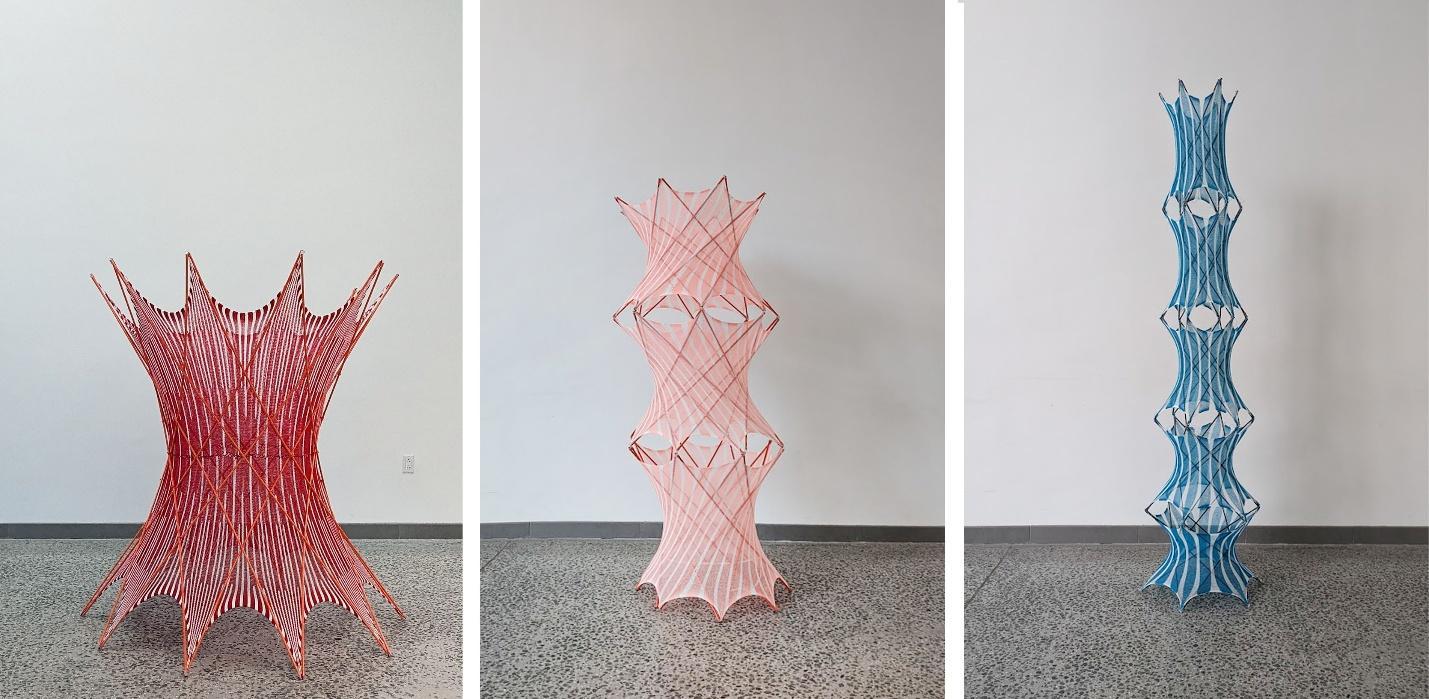
Figure 1. Three designs for deployable structures. Source: Virginia Ellyn Melnyk.
The knitted membranes are integral to this behavior, functioning as adaptive surfaces that accommodate the changing geometry of the structure. Unlike conventional architectural fabrics, knit material is constructed through a looping system that allows directional stretch and localized deformation. The membranes are designed with variations in stitch type, density, and material composition, combining acrylic yarns with elastic fibers arranged in striped patterns to control elasticity across the surface. This play of materials and layering is part of a lineage where material experimentation and exploration were encouraged.
In the large red structure, the knit incorporates targeted variation to accommodate greater differences in expansion between the narrow waist and wider edges of the hyperbolic form. In the pink and blue stacked structures, the patterns are progressively simplified, relying more on the inherent elasticity of the knit and the reduced scale of each module to achieve flexibility. We developed these membranes through practice-based craft and experimentation. The performance results in different visual and spatial effects as the stripes elongate, compress, and shift in relation to the structure’s movement.
We drew design inspiration from Anni Albers, who understood fabric as a responsive, pliable system.[1] Meanwhile, the dynamic structural thinking of Buckminster Fuller’s experimentations into geometry and lightweight designs inspired the overall geometry and structural form. Furthermore, the combination of structure and textiles is acting as a tensegrity system, which is a structural relationship developed by Kenneth Snelson.[2]
The inspiration of works from Black Mountain college resonates with this current research in textiles and structural design. Across the three structures, scale and stacking introduce distinct behaviors: the large red structure is unwieldy and needs multiple people to transform it, while the three-stack pink structure introduces subtle delays and shifting alignments between modules, and the five-stack blue structure produces a lighter, more rapid and easily manipulated motion, although is too small to inhabit, this is engaged only from the exterior. Together, these objects operate as a family of systems in which geometry, material, and movement are inseparable, generating spatial transformation through continuous interaction between rigid and elastic components.
Cross-Disciplinary Collaboration
Collaboration was integral to the experimental pedagogy of Black Mountain College, where artists, architects, dancers, and composers worked across disciplines to develop new forms of practice.[3] Rather than maintaining clear boundaries between fields, the college fostered an environment in which making, performance, and teaching were intertwined, and ideas emerged through shared processes of experimentation.
This project adopts a similar approach, bringing together architecture and dance as co-evolving practices. Working with undergraduate dance students, we introduced the structures as open systems to be explored through movement. This allowed spatial, material, and choreographic ideas to develop in tandem. Through this interaction, collaboration became a generative condition rather than a supporting framework, where the relationships between body, structure, and performance are continuously negotiated and redefined.
Dance Cycles: workshop, notation, workshop, repeat
The development of the performance unfolded through a series of iterative cycles between workshop experimentation, notation, and choreographic refinement. Initial sessions introduced the structures to the dancers without prescribed outcomes, allowing movement to emerge through direct engagement with the material system. Actions such as opening, collapsing, lifting, and resisting were explored repeatedly, not as fixed gestures, but as evolving responses to the behavior of the structures. These early workshops established a feedback loop in which bodily movement informed an understanding of the structure. The structure, in turn, redirected movement.
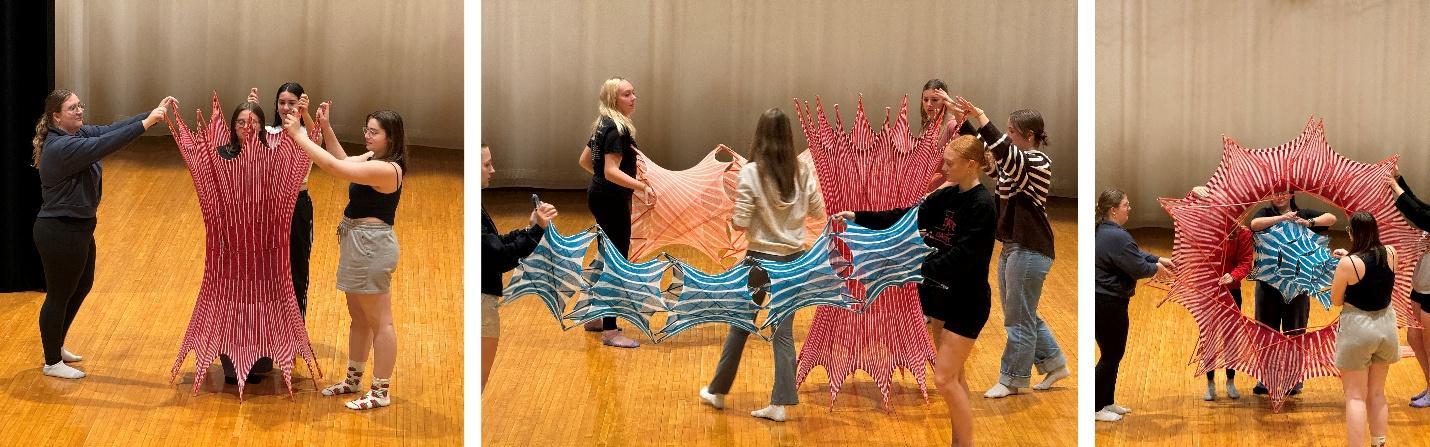
Figure 2. Scenes from the first workshop. Source: Virginia Ellyn Melnyk.
This cyclical process reflects the experimental methodologies associated with Black Mountain College, particularly in the collaborative work of Merce Cunningham and John Cage. Their approach resisted linear development in favor of simultaneous and iterative processes, where movement, sound, and spatial action evolved together without a single controlling framework.[4] In a similar way, the workshops did not move toward a predetermined choreography, but instead generated material through repetition and variation, allowing relationships between body and structure to stabilize gradually over time.
As patterns began to emerge, notation was introduced as a means of capturing and communicating these interactions. Drawing from Merce Cunningham’s notations for movement and John Cage’s graphic scores, the diagrams map structural states, bodily movement, and temporal sequencing.[5]
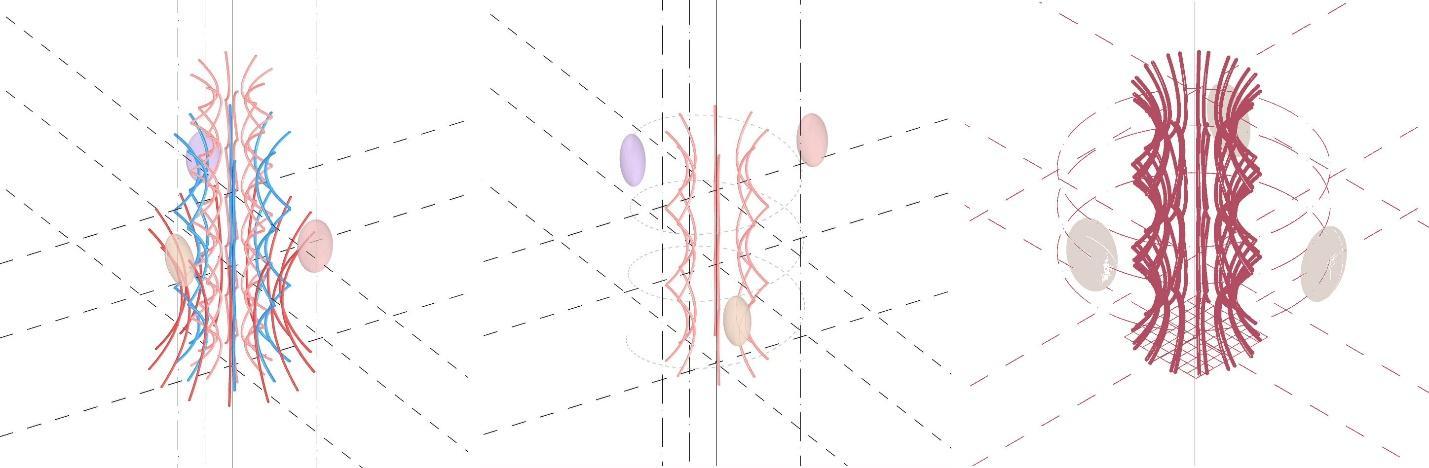
Figure 3. Images of notation generated to communicate movements. Source: Virginia Ellyn Melnyk.
For these notation diagrams digital tools again were adapted. Rather than hand drawings that might have been done in the past, the actions of the dancers and the objects were abstracted and mimicked in 3D geometry using coding and .gif animations.
Rather than concluding the exploration phase with the notation system, it initiated another cycle of workshops. Dancers used the diagrams to rehearse and reinterpret the material, testing how the abstracted instructions translated back into physical action. This return from drawing to movement revealed discrepancies and new possibilities, prompting further adjustments to both the choreography and the notation itself. In this way, notation functioned not as documentation but as an active mediator between conceptual understanding and embodied practice.
Film and Editing: Cycles of Direction and Repetition
Performance at Black Mountain College was often developed through live, interdisciplinary events, where actions unfolded simultaneously, without a fixed point of view, producing a spatial and temporal field rather than a singular narrative. The present project extends this logic into the medium of film. Editing and framing introduce new forms of control over time and perception. While the workshops produced a range of movements through direct interaction with the structures, the film introduced a new layer of organization through timing, framing, and sequence. The camera isolates the specific action, opening, collapsing, rotation and other movements. This allows the forms to be viewed in relation to one another, creating a constructed rhythm that does not exist in the same way in live performance.
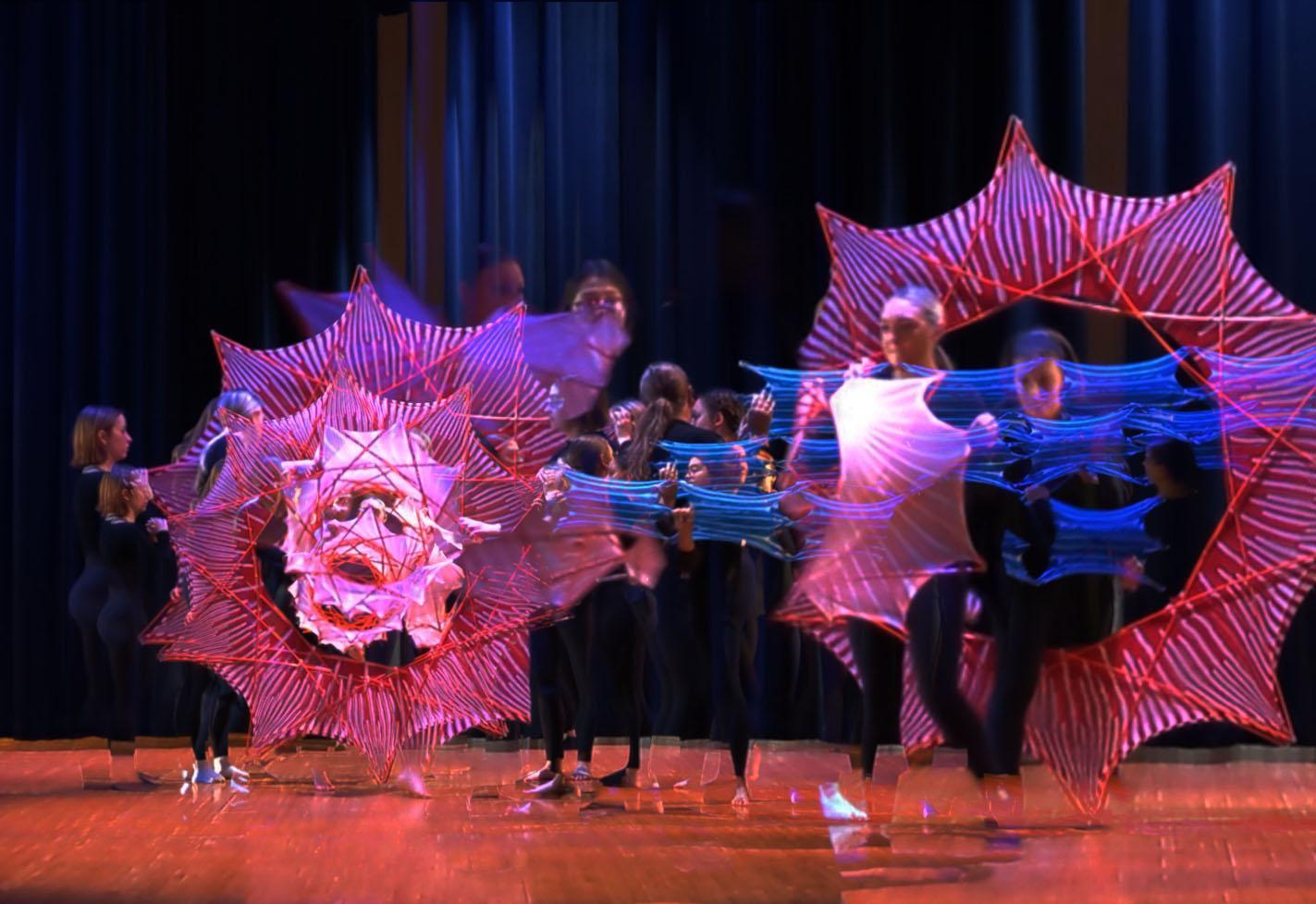
Figure 4. Overlaid scenes from film editing. Source: Virginia Ellyn Melnyk.
Editing was closely aligned with the structure of the music, using repetition and looping to reinforce directional movement within the choreography. Actions were not presented as singular events but were repeated, extended, and re-sequenced. This emphasized the trajectories of motion rather than discrete gestures. A rotation might be shown multiple times across cuts, or an opening sequence might be reintroduced in a different temporal position, creating a sense of accumulation and continuity.
This approach reflects compositional strategies associated with John Cage. Cage structured time through duration, repetition, and the coexistence of events rather than linear progression. Similarly, the film resists a singular narrative arc, instead building meaning through cycles of action that unfold across the duration of the piece. Editing does not resolve movement into a final form but maintains a continuous sense of transformation, where each repetition introduces slight variation.
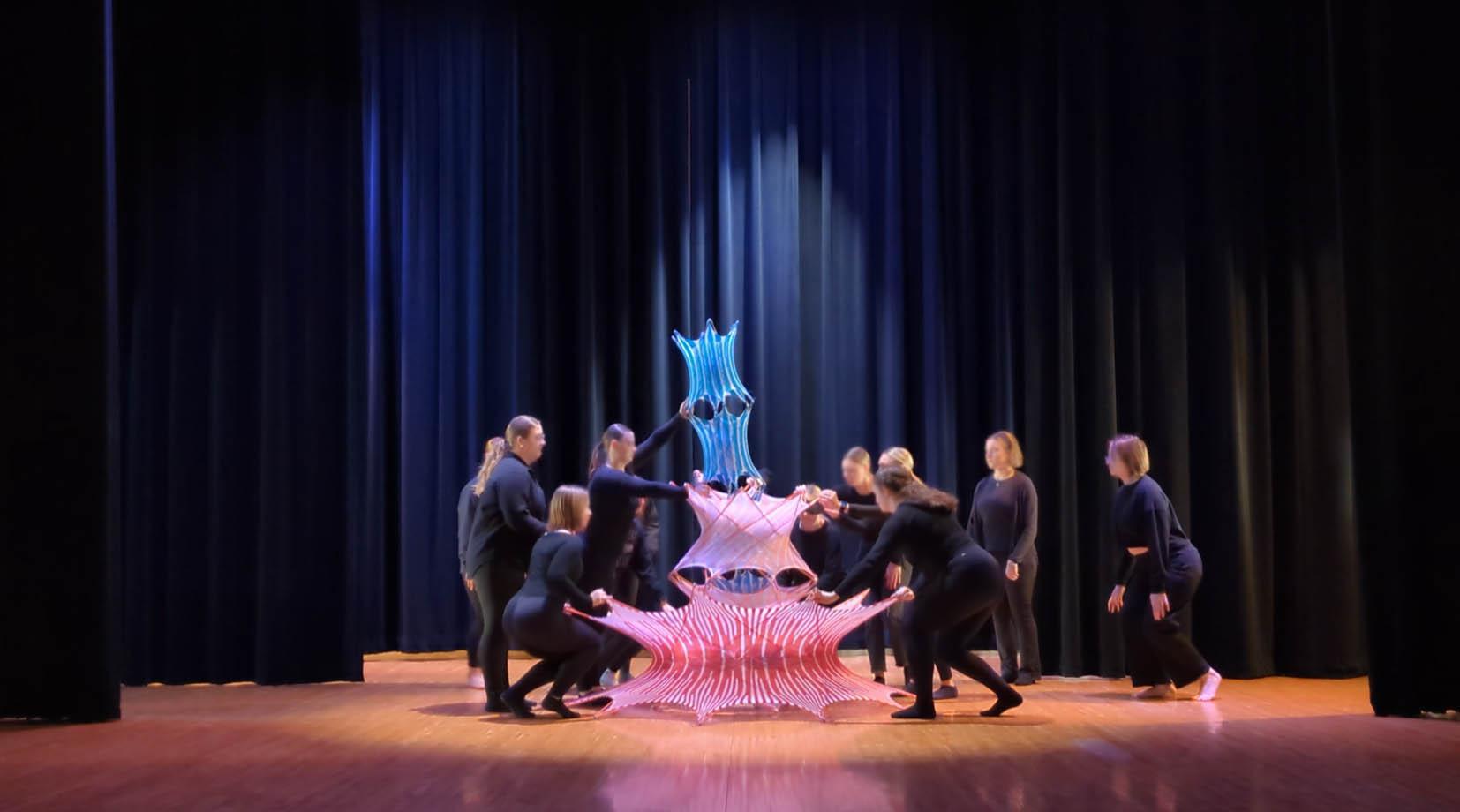
Figure 5. Images from final film. Source: Virginia Ellyn Melnyk.
Figure 5. Images from final film. Source: Virginia Ellyn Melnyk.
The cyclical movements of the deployable structures are amplified through this process. Their expansion and collapse, already operating as loops in physical space, are reinforced through editing techniques that repeat and align these movements with the rhythm of the music. The dancers’ interactions follow similar patterns, responding to moments of tension and release that recur throughout the film. As a result, the choreography is experienced not as a sequence of steps, but as a temporal field of recurring actions, where direction, rhythm, and variation emerge through repetition.
In this context, film becomes a tool for shaping time. By selecting, repeating, and layering movement, the editing process extends the collaborative cycles established in the workshops and notation, and translates them into a visual and temporal composition. The result emphasizes that the work exists through continuous cycles of movement, perception, and reinterpretation.
Legacy: Continuation of Experimental Practice
The experimental practices developed at Black Mountain College positioned performance, material exploration, and interdisciplinary collaboration as central to creative work. Rather than producing stable objects, these practices emphasize process, interaction, and the unfolding of ideas through time. Yet many of these investigations remained necessarily provisional, operating through ephemeral events and analog systems that could not fully sustain or extend their temporal and material ambitions.
This project continues that trajectory under contemporary conditions. Advances in material systems and computational design allow for a more sustained engagement with movement and transformation. The deployable hyperbolic structures and knitted membranes do not simply represent dynamic behavior; they operate as systems that continuously produce it. Through their capacity to expand, contract, and respond to force, they extend the experimental logic of Buckminster Fuller’s structural investigations and Anni Albers’s material thinking into a domain where geometry, material, and time are inseparable.
The integration of choreography and film further expands this framework. Drawing from the performative methodologies of Merce Cunningham and John Cage, the work rejects fixed composition in favor of systems that evolve through repetition, variation, and temporal overlap. However, unlike the largely ephemeral performances at Black Mountain, the use of notation, iterative workshops, and film editing enables these processes to be revisited, restructured, and extended. Time is not only experienced but constructed, shaped through cycles of rehearsal, translation, and composition.
In this sense, the project does not treat Black Mountain as a historical reference, but as an unfinished framework. It proposes that the integration of body, material, and time, central to the college’s pedagogy, can still be realized through systems that operate with greater precision, repeatability, and scale. Architecture, in this context, is no longer defined by static form or enclosure, but by its capacity to engage with ongoing processes of transformation.
This shift suggests a broader reconsideration of architectural practice. Rather than designing objects for occupation, architecture can be understood as a performative system that produces space through interaction. Materials are not passive surfaces but active participants, bodies are not users but collaborators, and time is not a secondary condition but a primary medium of design. Through this lens, the legacy of Black Mountain persists not as a fixed set of ideas, but as a method, one that continues to evolve through new technologies, materials, and forms of collective experimentation.
[1] Albers, Anni. On Weaving. Middletown, CT: Wesleyan University Press, 1965.
[2] For more on the nature of tensegrity as developed by Snelson & Fuller, see: Gorman, Michael John. “Tensegrity Structures: Vision of Buckminster Fuller and Kenneth Snelson.” Science Museum Group Journal 2 (2014).
[3] For an in-depth discussion of the importance of collaboration at BMC, see: Díaz, Eva. The Experimenters: Chance and Design at Black Mountain College. Chicago: University of Chicago Press, 2015.
[4] Katz, Vincent, ed. Black Mountain College: Experiment in Art. Cambridge, MA: MIT Press, 2002.
[5] Cage, John. Notations. New York: Something Else Press, 1969.
Virginia Melnyk is an architectural designer and researcher whose work explores transformable structures, knitted textiles, and performative spatial systems. She is an Assistant Professor at Iowa State University. This project was developed in collaboration with Cynthia Adams and Janice Baker, and with undergraduate dance students in Fall 2025.
Cite this article
Melnyk, Virginia Ellyn. “Collaborative Motion: Deployable Structures, Dance, and Performance.” Journal of Black Mountain College Studies 17 (2026). https://www.blackmountaincollege.org/journal/volume-17/melnyk/.